Hardwood Floor Water Damage in Lantern Lakes: Save or Replace?
Few things sink a homeowner's stomach faster than walking into the kitchen or living room and seeing your hardwood floors swelling, cupping, or sitting under a film of water. In Lantern Lakes, we see this every week from dishwasher supply lines, refrigerator ice makers, second story bathroom leaks, and the occasional pipe burst during a January cold snap. The first question is almost always the same: can these floors be saved, or am I looking at a full replacement?
The honest answer is that it depends on how long the water sat, what kind of water it was, and how fast a proper drying plan gets started. At Lantern Lakes Water Restoration, we have been answering this question for Lantern Lakes homeowners since 2018, and our IICRC certified technicians have seen oak, maple, engineered, and exotic floors at every stage of damage. We are BBB A+ accredited, and if your floors are too far gone to save, we will tell you directly rather than billing you for drying equipment that cannot reverse the damage. This guide walks through the questions you are probably typing into Google right now, with realistic timelines, cost ranges, and the decision points that separate a save from a replace.
The first thing to understand is that hardwood water damage is a race against time and a question of category. Clean water from a supply line that you catch within hours behaves nothing like a slow toilet leak that has been wicking under your boards for two weeks, and neither resembles a sewage backup, which is Category 3 contamination and almost always means the flooring comes out regardless of how solid it looks. When we arrive at a Lantern Lakes property, the first question we ask is not how wet the floor is, but where the water came from, how long it has been sitting, and whether it has reached the subfloor below. You can pour a gallon of clean water on sealed oak and wipe it up with no lasting damage. You can also have a hairline supply leak that has been quietly saturating the plywood beneath your living room for a month, and by the time the cupping appears at the surface, the structural decking is already compost.
Cupping, crowning, and buckling are the three signs every homeowner notices, and each one tells us something different. Cupping, where the edges of each board rise higher than the center, almost always means moisture is coming from below and the top is drying faster than the bottom. This is the most common pattern we see after a dishwasher leak in a Lantern Lakes kitchen or a refrigerator line failure, and it is often reversible if we get to it within the first few days. Crowning, where the centers rise above the edges, usually means the floor was sanded too soon after a previous water event, or that drying happened unevenly. Buckling, where boards lift completely off the subfloor, is the worst sign and usually means the adhesive bond or the nailing has failed. Buckled floors are rarely saved.
Species and finish also play a role in how a floor responds. White oak, with its tighter grain and natural tyloses, resists water intrusion noticeably better than red oak, and both outperform softer species like pine or hickory when exposed to prolonged moisture. A site finished floor with multiple coats of polyurethane will repel surface water for hours, while a wax finished antique floor in an older Lantern Lakes bungalow may begin absorbing within minutes. Knowing what is on your floor changes the urgency of the response, and it changes what we recommend for refinishing once the drying is complete.
What We Actually Measure Before Recommending Anything
Homeowners are sometimes surprised that we do not lead with a quote. We lead with a moisture meter. A pin meter into the hardwood gives us a percentage reading, and a non invasive meter tells us what is happening in the subfloor without further damage. Dry hardwood in central Indiana typically sits between 6 and 9 percent moisture content. Boards reading above 18 percent are actively wet. Anything over 24 percent and the wood fibers are saturated, which puts you in territory where drying alone may not bring the floor back to a usable finish even if it returns to normal moisture content. We pair those readings with thermal imaging to find hidden saturation behind cabinets, under islands, and along baseboards where the water traveled silently after the obvious puddle was mopped up.
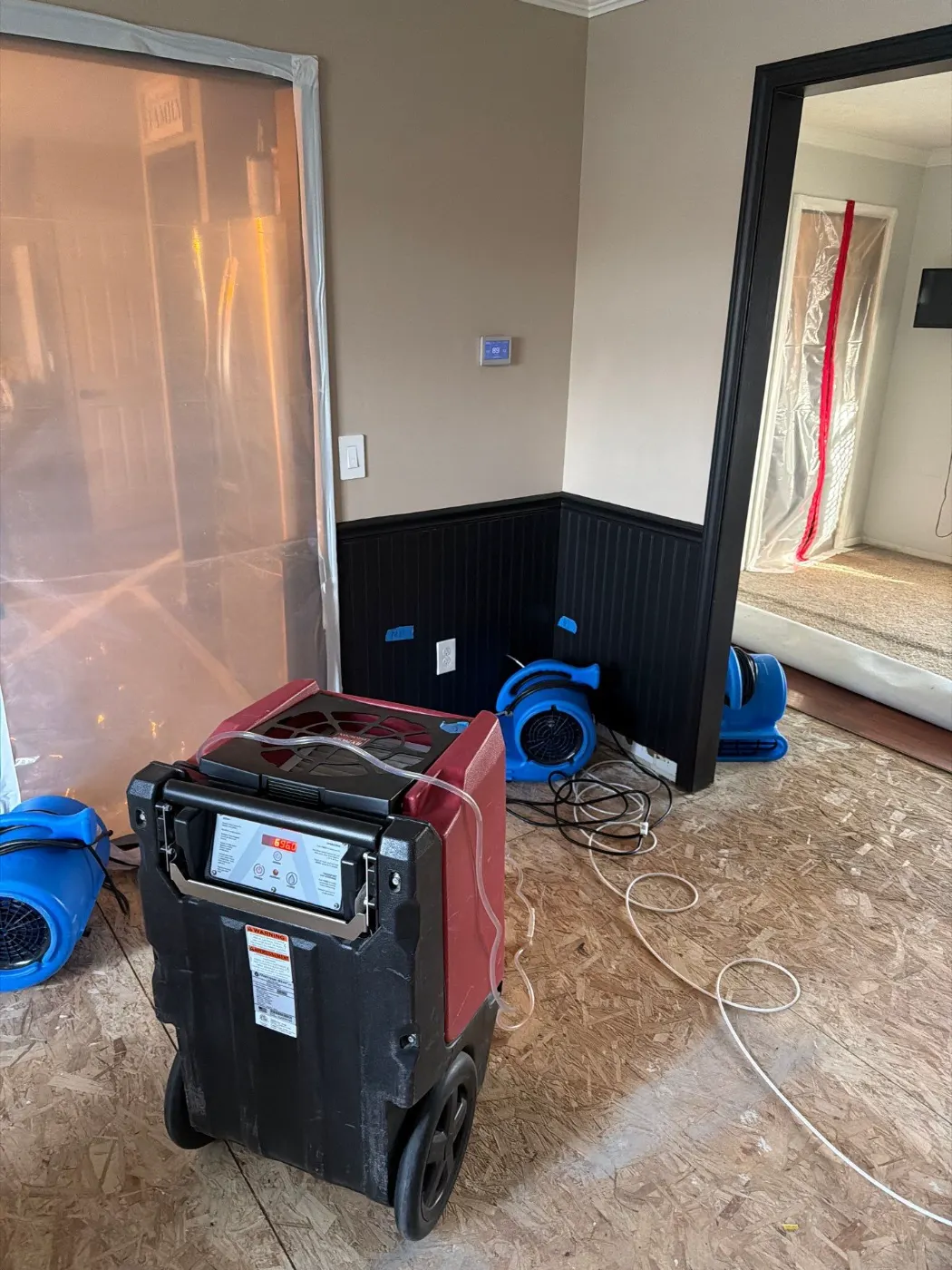
Drying a hardwood floor properly is not the same as pointing a box fan at it. We use specialty drying mats that pull moisture up through the boards using negative pressure, paired with low grain refrigerant dehumidifiers that hold the room at the right humidity for wood to release water without splitting. This is IICRC S500 standard work, and it typically runs three to seven days of monitored drying with daily moisture logs. A proper structural dry on a 400 square foot room generally costs between 2,800 and 5,500 dollars in the Lantern Lakes market, and yes, that is usually a covered insurance event when the source is sudden and accidental. Slow leaks that you knew about and ignored are a different conversation, and your carrier will likely deny that portion of the claim.
The monitoring portion is where good restoration separates itself from rushed work. Lantern Lakes Water Restoration technicians return daily to log progress, reposition mats, and adjust equipment based on what the readings show. A floor that is drying too fast can split as badly as a floor that stays wet, so the goal is steady reduction, not aggressive evaporation. We also pull a baseboard or two on the first visit to inspect the wall cavity behind the affected area, because water that traveled along the floor almost always wicked up the bottom plate and the drywall, and ignoring that during the drying phase guarantees a mold call six weeks later.
When Replacement Is the Honest Answer
There are scenarios where we will tell you to stop spending money on drying and start planning the rebuild. Engineered hardwood with a thin veneer almost never survives saturation because the layers delaminate and there is nothing to refinish. Solid hardwood that has been refinished multiple times may not have enough thickness left to sand out the cupping even after drying. Anything touched by sewage, including a backed up toilet line, falls under Category 3 protocols and the flooring is removed, full stop. You can read more about why in our guide to toilet overflow cleanup and Category 3 water removal. Floors that have been wet longer than 72 hours with no mitigation usually have subfloor damage and mold colonization underneath, and the responsible move is removal, structural drying of the subfloor, and reinstallation with new material.
Matching replacement boards to an existing floor is another reason homeowners sometimes choose a full room replacement over a partial repair. Hardwood darkens and ambers with age, and a fresh patch of the same species often reads as a bright rectangle against decades of patina. We can feather repairs into closets and transitions to disguise the seam, but in an open concept Lantern Lakes home where the kitchen flows into the dining room, the visual break is sometimes worse than a clean replacement. Talking through these tradeoffs with the homeowner before demolition starts saves a lot of frustration during the rebuild.
Insurance is where most homeowners get confused. A standard homeowners policy in central Indiana will typically cover the water mitigation, the demolition if needed, and the replacement of the flooring up to your dwelling coverage limits, provided the loss was sudden. Adjusters will ask for moisture logs, photos, and an itemized estimate, all of which we provide as part of standard water damage restoration documentation. If your floors are 30 years old and you have been refinishing them since 1995, you may face a depreciation adjustment on the replacement value, but the mitigation is almost always paid in full.
The hardest part is the wait. Even when we save your floors, the room is unusable for the drying period, and refinishing afterward adds another week. We tell every Lantern Lakes homeowner the same thing on day one: the floor you have now is either coming back or it is not, and the next two days of decisions will determine which. Acting fast almost always favors saving the wood.
Get an honest answer before you commit to a plan
Hardwood floors are one of the few water damage situations where speed genuinely changes the outcome. A floor that could have been saved on day one often becomes a replacement project by day four. Lantern Lakes Water Restoration provides free in person assessments across Lantern Lakes, with moisture mapping and a clear save or replace recommendation before you sign anything. If your floors can be dried, we will give you a realistic timeline and cost. If they cannot, we will tell you that directly and help you understand the replacement scope so your insurance claim moves forward without surprises. Call us anytime, day or night, and we will be on site fast.
Frequently Asked Questions
How fast do I need to act to save hardwood floors in Lantern Lakes?
Within 24 hours gives you the best odds, especially with solid hardwood. Past 48 hours, engineered product with a thin veneer rarely recovers. Lantern Lakes Water Restoration runs 24/7 emergency response across Lantern Lakes so timing does not have to be the reason you lose a floor.
Will my homeowners insurance cover hardwood floor water damage?
Sudden and accidental events like burst supply lines or appliance failures are usually covered. Long-term seepage and lack of maintenance typically are not. Lantern Lakes Water Restoration documents every job with moisture logs and photos so your Lantern Lakes adjuster has what they need to approve the claim.
Can cupped hardwood floors be sanded flat?
Often yes, if the floor is solid 3/4 inch hardwood and the subfloor moisture returns to a normal 8 to 12 percent range. The wood needs to fully acclimate first, sometimes four to six weeks after drying equipment comes out, before any sanding.
What does hardwood floor water damage restoration cost in Lantern Lakes?
Drying alone typically runs $2,500 to $6,000 depending on square footage and equipment time. Full replacement with refinishing can push $8,000 to $15,000 or more. Lantern Lakes Water Restoration provides written scopes before any work starts.
How do I know if the subfloor under my hardwood is damaged?
You need a pin moisture meter and often thermal imaging to know for sure. Visible signs include cupping, hollow sound when tapped, or musty odor near the floor. Lantern Lakes Water Restoration performs no-cost moisture assessments in Lantern Lakes before recommending any tear-out.
Have a restoration question?
Our IICRC certified Lantern Lakes crew is ready to help. Free assessments, estimate based on what we can sees, no pressure.