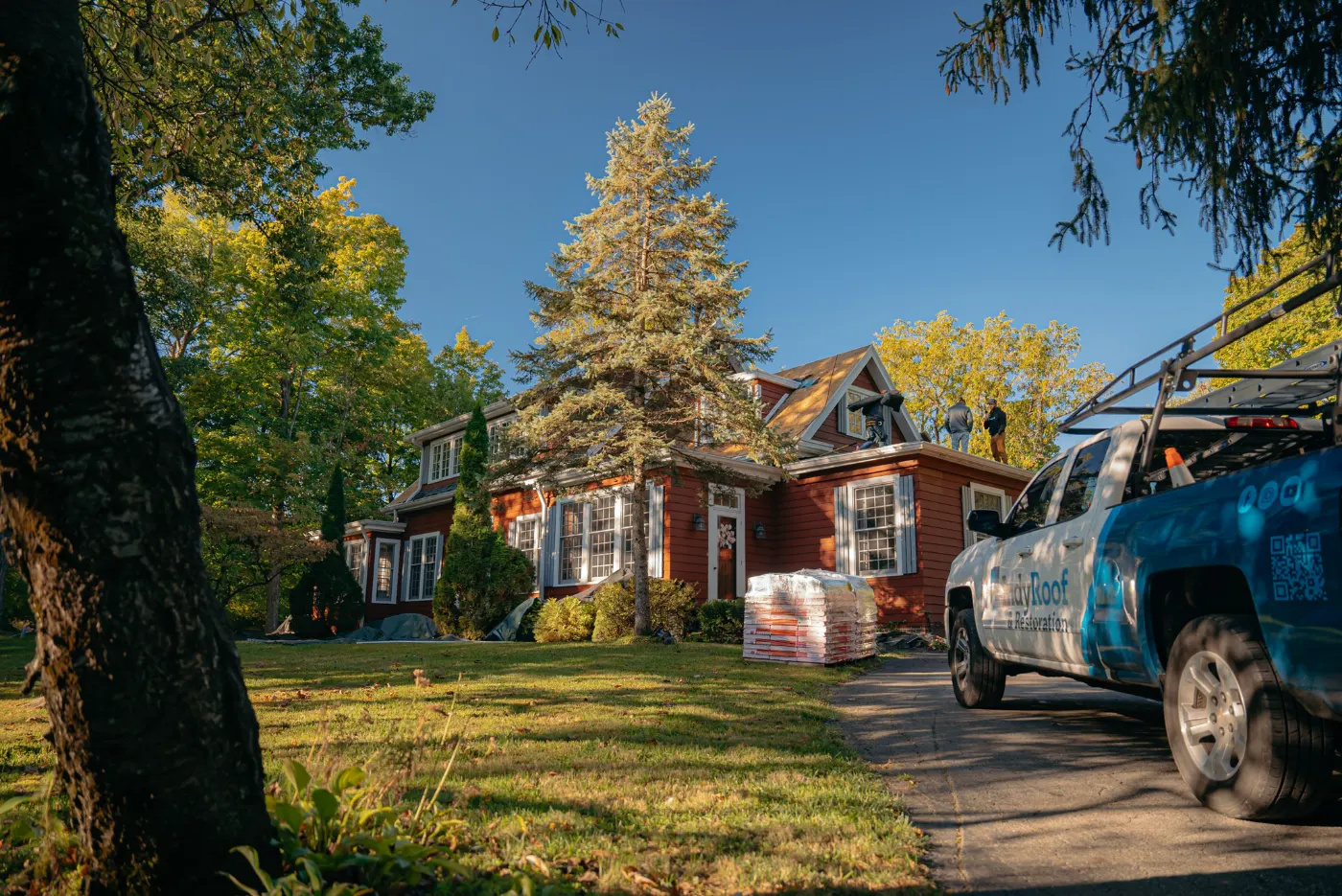
Attic Water Damage in Lantern Lakes: Roof Leak Restoration
A roof leak rarely announces itself. You notice a brown ring on the ceiling, a musty smell near the hallway, or insulation that looks darker than it should. By the time most Lantern Lakes homeowners call us, water has already been moving through the attic for days or weeks, soaking sheathing, saturating insulation, and drifting down into drywall and framing. That hidden timeline is what makes attic water damage so expensive to ignore.
At Lantern Lakes Water Restoration, we have been handling attic leaks across Central Indiana since 2018. We are IICRC certified, BBB A+ rated, and we work emergency calls 24 7 because storms in Lantern Lakes do not wait for business hours. This guide walks through the specific problems we see inside attics after a roof leak, and exactly how we solve each one. If your situation is outside what we can fix, we will tell you directly and point you to the right trade. That promise has not changed since day one.
If water is actively dripping right now, place a bucket, move stored items, and call us. The rest of this article will still be here when your attic is dry.
Quick Answer: What to Do in the First Hour
If water is coming through your ceiling in Lantern Lakes, take these steps in order before anything else:
- Shut off power to affected rooms at the breaker if light fixtures are wet.
- Move furniture and electronics out from under the leak.
- Place buckets and lay towels over plastic sheeting.
- Relieve ceiling pressure with a small drilled hole into a bucket.
- Photograph everything before you clean.
- Call a roofer for the source and a restoration company for the interior.
Most attic leaks are Category 1 (clean water) for the first 24 to 48 hours. After that, contamination from insulation, dust, and bird or rodent debris pushes the loss into Category 2, which changes drying protocol and material disposal rules.
What It Costs in Lantern Lakes
Attic restoration pricing depends on square footage, insulation type, and whether decking or framing needs replacement. Here is a realistic range for Central Indiana homes:
| Scope | Typical Cost Range |
|---|---|
| Small ceiling stain, no insulation loss | $500 to $1,200 |
| Wet insulation removal, drying, antimicrobial | $2,000 to $5,500 |
| Full attic with decking replacement and mold | $6,000 to $15,000 |
| Major loss involving multiple rooms below | $15,000 to $30,000+ |
Most homeowners insurance policies cover sudden and accidental roof leaks but exclude long term seepage. Document the storm date, save weather reports, and start drying immediately. Our breakdown of water damage restoration cost covers what adjusters look for and how depreciation is calculated.
Mold Risk and Why Speed Matters
Attics in Lantern Lakes stay warm and humid through summer. Wet cellulose or fiberglass insulation can grow visible mold colonies in 48 to 72 hours. Once mold reaches the underside of roof decking, remediation costs jump significantly because the area must be contained, HEPA filtered, and physically scrubbed or sanded.
Warning Signs of Hidden Attic Mold
- Musty smell in upstairs bedrooms, especially in closets backed by exterior walls
- Dark staining on rafters visible from the access hatch
- Allergy symptoms that worsen at home and improve when you leave
- Peeling paint or bubbling drywall on top floor ceilings
- Frost patterns on nail tips during cold snaps (a sign of trapped humidity)
If you spot any of these in addition to a known roof leak, do not wait. Reach out for an inspection. Our process for mold after water damage details how we contain and remove it without spreading spores into living areas.
Get Honest Eyes on Your Attic Before It Gets Worse
Attic water damage rewards fast, accurate diagnosis and punishes delay. If you have a stain spreading across your ceiling, hear dripping in the wall, or just came down from the attic with that sinking feeling, Lantern Lakes Water Restoration can be at your Lantern Lakes home the same day to map the damage, identify the source, and give you a written scope that matches what your insurance carrier expects. We are IICRC certified, BBB A+ rated, and if the job is smaller than you think, we will tell you that too. Call when you are ready for a straight answer.
Restoration Process Step by Step
| Phase | What Happens | Typical Timeline |
|---|---|---|
| Inspection | Moisture mapping with meters, thermal imaging of decking and joists | 1 to 2 hours |
| Containment | Plastic barriers, negative air machines if mold suspected | Same day |
| Extraction | Wet insulation bagged and removed, standing water vacuumed | Day 1 |
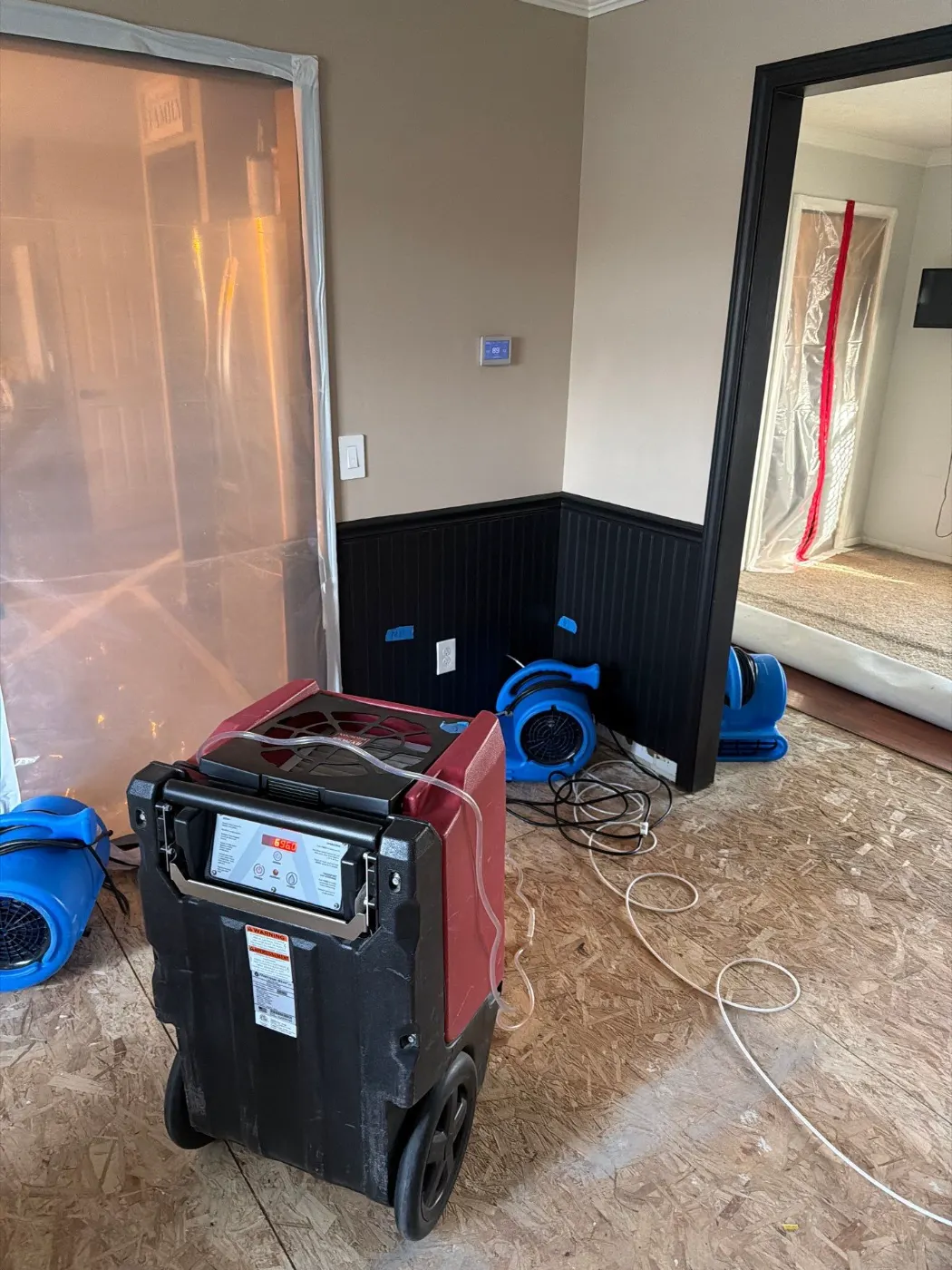
| Structural Drying | Air movers and dehumidifiers on decking and framing | 3 to 5 days |
| Antimicrobial | EPA registered treatment to prevent mold | Day 2 to 3 |
| Reconstruction | New insulation, drywall, paint, decking patches if needed | 1 to 3 weeks |
Drying an attic is harder than drying a finished room because the cavity holds heat and traps humidity against the underside of the roof. Lantern Lakes Water Restoration typically positions one dehumidifier per 500 to 800 square feet of attic space and rotates air movers every 24 hours to break up stagnant pockets near the eaves. Daily moisture readings are logged at the same reference points so progress can be charted against the dry standard for each material.
Preventing the Next Attic Leak
After restoration is complete, a few low cost habits keep the same problem from coming back the following season:
- Inspect the attic with a flashlight twice a year, ideally in spring and fall
- Replace pipe boots and chimney flashing on a 10 to 15 year cycle
- Clean gutters before fall leaves and again before winter to prevent ice dams
- Add baffles at the eaves so blown in insulation does not block soffit airflow
- Reroute bathroom fan ducts through the roof or gable wall, never into the attic itself
Insurance Documentation Checklist
- Photos of the exterior roof, attic, and interior ceiling damage
- Date and time of the storm or leak discovery
- Receipts for tarps, fans, or temporary repairs
- Written estimate from a licensed restoration contractor
- Moisture readings and thermal images (we provide these)
- Inventory of damaged personal property stored in the attic
What to Ask Before Hiring a Restoration Company
- Are your technicians IICRC certified in Water Damage Restoration (WRT)?
- Do you provide daily drying logs and moisture readings?
- Will you work directly with my insurance adjuster?
- Do you handle reconstruction in house or subcontract it?
- What is your response time in Lantern Lakes?
- Do you carry both general liability and pollution coverage for mold work?
Common Causes of Attic Water Damage
Roof System Failures
- Wind lifted or missing shingles after Indiana thunderstorms
- Cracked or missing pipe boots around plumbing vents
- Failed flashing at chimneys, skylights, and dormers
- Ice dams in January and February forcing meltwater under shingles
- Nail pops creating pinhole entry points
- Aging underlayment that no longer sheds water at seams
- Tree limb impact damage that cracks decking below the shingle layer
Ventilation and Condensation Issues
- Bathroom exhaust fans venting into the attic instead of outside
- Blocked soffit vents trapping warm moist air
- Undersized ridge venting causing winter condensation on the underside of decking
- Recessed can lights leaking conditioned air into cold attic space
Condensation damage often looks identical to a roof leak from inside the home, but the repair path is completely different. Lantern Lakes Water Restoration technicians use thermal imaging from both the attic and the ceiling side to confirm whether the moisture pattern matches a roof penetration or a ventilation failure before any reconstruction begins.
For a full breakdown of how moisture travels through framing into living spaces, our guide on water damage behind walls and hidden leak detection walks through the inspection process we use on every Lantern Lakes call.
Frequently Asked Questions
How long after a roof leak should I call a restoration company in Lantern Lakes?
Within 24 hours if possible. After 48 hours, clean water turns contaminated and mold risk climbs sharply. Lantern Lakes Water Restoration dispatches around the clock across Lantern Lakes and the surrounding communities.
Do I need to fix the roof before Lantern Lakes Water Restoration can start restoration?
No. We tarp or temporarily dry-in the roof on the first visit so water stops entering, then begin mitigation. A roofing contractor handles permanent repairs in parallel.
Will you work directly with my insurance adjuster?
Yes. We document moisture readings, photos, and scope in the format adjusters expect, and we communicate with your carrier throughout the Lantern Lakes claim so you are not stuck translating.
How do I know if there is hidden mold in my attic?
Musty smell, dark staining on rafters or decking, and visible fuzzy growth are the obvious signs. We use moisture meters and, when warranted, third-party air sampling to confirm.
What if my attic damage is from an old leak, not a recent one?
We still inspect it. Older damage often involves dry rot and established mold rather than active water, so the scope shifts toward remediation and structural repair. We will tell you straight what is needed.
Have a restoration question?
Our IICRC certified Lantern Lakes crew is ready to help. Free assessments, estimate based on what we can sees, no pressure.